
Most buyers go to a lender too early, with the wrong documents, and without understanding what the bank is actually evaluating. The deal stalls. The seller gets nervous. Momentum dies.
Banks do not make random decisions. They follow a framework. If you understand the framework before you apply, you stop guessing and start preparing.
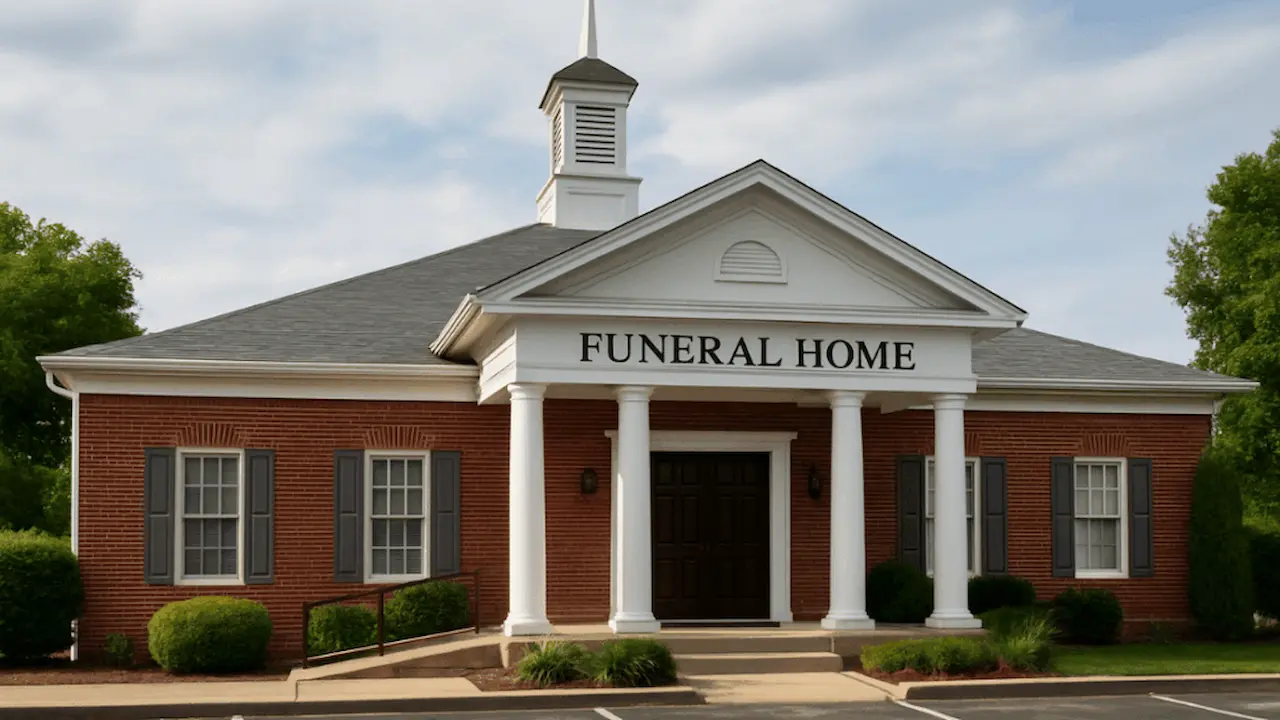
The Five Things Every Funeral Home Lender Evaluates
Understanding these five areas before your first lender call is the difference between a smooth approval and a stalled deal.
Lenders need to see your complete financial picture before they can structure anything. Missing even one of these documents creates delays — and every delay gives the seller a reason to doubt the deal.
- Three years of personal tax returns
- A personal financial statement showing your net worth and liquidity
- Three years of business tax returns for the funeral home you are buying
- Historical financial statements for the business
- A current profit and loss statement if available
For a detailed walkthrough, see our SBA 7(a) loan process guide →
There is no universal minimum credit score for a funeral home loan. What matters more is the story your credit tells. A strong score with clean history signals reliability. A lower score with explainable circumstances is workable. Unexplained gaps or recent derogatory marks are problems.
Most SBA lenders want to see a score above 680. Conventional lenders typically want higher. If your credit needs work, the time to address it is before you start looking at businesses — not after you sign a letter of intent.
Read our full guide on how banks evaluate funeral home loans →Lenders do not finance 100% of a funeral home acquisition. For most SBA transactions, the minimum equity injection is 10% of the total project cost. On a $1 million deal that is $100,000. On a $2 million deal that is $200,000.
Equity does not have to be all cash. A seller note — where the seller carries back part of the purchase price — can sometimes count toward equity if structured correctly.
Learn more about down payment requirements →A bank is not just lending against a business. They are lending against you. Lenders want to know that you can actually run this funeral home after you own it. Industry experience matters. Management experience matters. A clear operational plan matters.
First-time buyers are not disqualified — but they face more scrutiny. The stronger your background documentation, the more confident a lender becomes.
See what banks look for in first-time buyers →The funeral home has to qualify too. Lenders look at three years of call volume history, normalized cash flow after legitimate add-backs, how much of the purchase price is goodwill versus hard assets, whether real estate is included, and how the current owner's departure will affect operations.
A business with declining call volume, a single key-person dependency, or inflated add-backs is harder to finance — regardless of the asking price.

What Disqualifies a Funeral Home Loan Application
Some situations create serious problems with lenders. It helps to know them early. None are automatic deal-killers in every situation — but they require honest conversation upfront, not discovery during underwriting.
| Disqualifying Factor | Why It Matters to Lenders |
|---|---|
| Recent bankruptcy or foreclosure (last 3 years) | Signals high financial risk to federally insured lenders who follow strict SBA credit standards. |
| Delinquent federal or state tax obligations | Tax liens take priority over bank debt. Lenders will not close until tax issues are fully resolved. |
| Unresolved legal judgments | Active judgments affect collateral and create uncertainty about the borrower's financial stability. |
| Acquisition price the cash flow cannot support | Debt service coverage below 1.25x is a hard stop for most SBA and conventional lenders. |
| Equity that cannot be sourced or documented | Lenders must verify the origin of all equity injection funds. Undocumented cash is not acceptable. |
| Severely declining call volume with no recovery plan | Business viability is central to any loan. A declining trend without explanation reduces approval odds significantly. |
How to Prepare Before You Talk to a Lender
The buyers who close are the ones who prepared before they called. That means gathering your financial documents before you find a business — not after you sign a letter of intent.
- Pull and review your personal credit report — address any errors or derogatory marks immediately
- Compile three years of personal and business tax returns into organized folders
- Complete a personal financial statement showing all assets, liabilities, and liquid reserves
- Calculate your available equity — confirm the source and how it will be documented
- Write a professional background summary: experience, management history, operational plan
- Request call volume history and financials from the seller before signing an LOI
- Contact Matt for a confidential review — before you commit to anything
Our loan preparation guide walks through exactly what to organize and in what order.
Frequently Asked Questions
Direct answers to the questions funeral home buyers ask most before applying for financing.

You do not need a broker. You need a direct conversation with a lender who has spent 20 years structuring funeral home loans — someone who can look at your specific situation and tell you honestly what it will take. That conversation costs nothing. It changes everything.

