
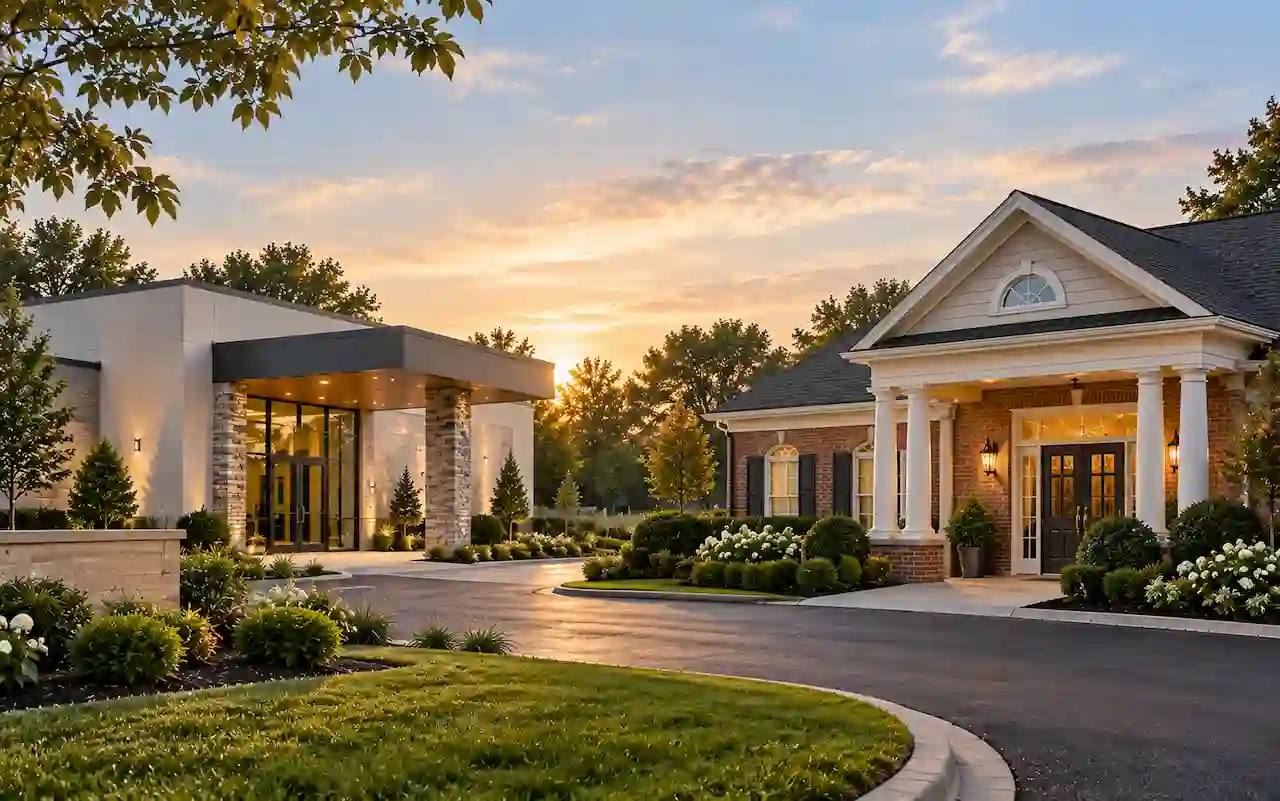
Every buyer eventually asks some version of the same question: is it smarter to buy a cremation-only business or a traditional funeral home? Most people frame this as an operations question smaller footprint, fewer staff, simpler service model. It’s actually a financing question first, and the two paths lead to very different conversations with a lender. Cremation-only business financing can differ significantly from traditional funeral home financing, especially when it comes to down payments, collateral, SBA loan terms, and DSCR
That distinction gets lost fast. Cremation now accounts for more than 60% of dispositions nationally, up from roughly 27% in 2000, and buyers naturally assume that a leaner, higher-growth business model should be easier to finance. Sometimes it is. Often, it isn’t for reasons that have nothing to do with demand and everything to do with how lenders assess collateral, cash flow, and risk.
This guide breaks down exactly where financing a cremation-only business diverges from financing a traditional funeral home, so you walk into a lender conversation already knowing which numbers matter for your deal.
Why Lenders Don’t Treat These as the Same Asset Class
A traditional funeral home and a cremation-only business can post similar revenue and still get very different loan terms. The reason comes down to three things a lender evaluates before they even look at your credit: real estate value, revenue durability, and add-on service income.
A full-service funeral home typically comes with a chapel, a prep and embalming room, casket selection space, and often several acres of real estate. That real estate is hard collateral it has appraised value independent of whether the business succeeds, which gives a lender a fallback position if something goes wrong.
A cremation-only business frequently operates out of a smaller facility, sometimes leased rather than owned, with no chapel and a much smaller footprint. Less real estate collateral means the lender leans more heavily on the strength of your cash flow and call volume to justify the loan the same underwriting shift we cover in more depth in our guide on how funeral home loan interest rates are actually set.
Down Payment: Why Cremation-only Business Financing Deals Often Require More Cash
This surprises almost every first-time buyer. The intuitive assumption is that a simpler business with lower overhead should require less money down. In practice, it’s often the opposite.
| Factor | Traditional Funeral Home | Cremation-Only Business |
| Typical down payment (SBA 7(a)) | 10% | 10–20% |
| Real estate included | Usually yes | Often no (leased space) |
| Collateral cushion | Higher (building + land) | Lower (equipment + goodwill) |
| Loan term | Up to 25 years (real estate-backed) | Often 10 years (no real estate) |
When a deal includes real estate that makes up more than half the loan, SBA 7(a) financing can stretch out to a 25-year term, which keeps the monthly payment manageable. A cremation-only business without real estate is usually financed as a shorter-term business acquisition loan often capped closer to 10 years which pushes the monthly payment higher even if the purchase price is lower. Some lenders offset that with a slightly larger equity injection requirement to protect their position.
Collateral: Goodwill-Heavy Deals vs Asset-Heavy Deals
Traditional funeral homes typically carry a mix of hard assets real estate, a hearse and lead vehicles, embalming equipment, casket inventory and goodwill (the intangible value of reputation, relationships, and referral sources). Lenders can point to appraised hard assets to support a chunk of the loan.
A cremation-only business is usually far more goodwill-heavy. The retort, if the business owns one, is real collateral, but it has limited resale value the same dynamic we detail in our guide to financing crematory retort equipment. Beyond that, most of the purchase price is often tied to reputation, digital marketing presence, referral relationships with hospice and hospitals, and recurring call volume. That’s harder for a bank to collateralize, which is exactly why lenders push harder on historical cash flow documentation for these deals.
Debt Service Coverage: The Number That Decides Both Deals Differently
Debt Service Coverage Ratio (DSCR) sits at the center of every funeral home loan approval, cremation-only or not. But the inputs that build that ratio differ meaningfully between the two models.
A traditional funeral home’s cash flow often includes multiple revenue streams: at-need services, pre-need trust income, merchandise sales (caskets, urns, vaults), and sometimes cemetery or floral add-ons. That diversification gives a lender more confidence the cash flow will hold up even if one line item softens.
A cremation-only business generally has a narrower, more concentrated revenue base direct cremation packages, sometimes with add-on urns or memorial products, but far less merchandise revenue and often no pre-need trust income at all. Lenders scrutinize that concentration closely, because a downturn in call volume hits the bottom line faster when there’s no merchandise margin to cushion it.
Licensing and Regulatory Differences That Show Up in Underwriting
This is where the operational side and the financing side connect directly. In many states, a traditional funeral home requires a licensed funeral director on staff and adherence to FTC Funeral Rule disclosures around itemized pricing. Cremation-only operations, depending on the state, sometimes face lighter licensing requirements, particularly if they don’t handle embalming or hold public viewings.
That sounds like it should make cremation-only businesses easier to finance. In practice, lenders read fewer regulatory guardrails as fewer built-in barriers to competition — which can mean more scrutiny on whether the business has a defensible, durable position in its market rather than fewer questions overall.
Growth Trajectory: Why Lenders Still Care About the Traditional Model
Cremation’s rising market share is well documented, and buyers often lead with that growth story in loan conversations. It’s a real trend, but it isn’t a financing strategy on its own a point we’ve expanded on in our piece on why growing call volume isn’t a financing strategy by itself. Lenders still want historical, provable cash flow, not a projection based on an industry-wide trend line.
At the same time, many traditional funeral homes now generate a meaningful share of their own revenue from cremation, which blurs the line further. A hybrid operation full-service funeral home with strong cremation volume often underwrites more favorably than either a pure-play traditional home or a pure-play cremation-only business, because it combines real estate collateral with the revenue growth story lenders want to see.
Which Model Is Easier to Get Approved For?
There’s no universal answer, but a few patterns hold consistently across deals we see:
- If real estate is included, traditional funeral homes generally access longer terms and lower monthly payments, simply because the collateral supports it.
- If the business is leased and goodwill-heavy, cremation-only deals typically need stronger historical cash flow documentation and sometimes a larger equity injection to offset the collateral gap.
- If you’re weighing building vs. buying either model, the financing math changes substantially we walk through that comparison in our guide on starting vs buying a funeral home.
- If the deal blends both models (a funeral home with a growing cremation segment), it often underwrites more easily than either extreme, because it balances collateral strength with growth potential.
How to Position Either Deal Before You Talk to a Lender
Regardless of which model you’re pursuing, the preparation looks similar:
- Document call volume trends for at least three years, not just the most recent twelve months, so the lender can see whether growth (or decline) is a pattern or a one-time blip.
- Separate owner add-backs clearly from operating expenses this matters even more on goodwill-heavy cremation deals where cash flow carries more underwriting weight.
- Get a realistic valuation before you fall in love with a purchase price the number on the listing is rarely the number the lender will actually finance.
- Know your real estate position going in. Owning, leasing with an option to buy, and leasing with no path to ownership are three very different financing conversations.
If you’re structuring an acquisition around either model, see our bank loan services for a breakdown of how we structure acquisition financing specifically for funeral service and cremation businesses real estate included or not.
Frequently Asked Questions
Is it cheaper to buy a cremation-only business financing than a traditional funeral home?
The purchase price is often lower, but the effective cost of financing isn’t always cheaper. Shorter loan terms on goodwill-heavy, real-estate-light deals can produce a higher monthly payment relative to the loan amount than a real-estate-backed traditional funeral home purchase.
Can you get an SBA loan for a cremation-only business?
Yes. SBA 7(a) loans can finance cremation-only business acquisitions, including equipment, leasehold improvements, and working capital. The term is typically shorter than a real estate-backed deal usually up to 10 years rather than 25 because there’s less hard collateral involved.
Do you need a funeral director license to buy a Cremation-only business financing?
Licensing requirements vary by state and depend on whether the business handles embalming or holds public services. Some states require a licensed funeral director for any death-care business; others have separate, lighter licensing tracks specifically for direct cremation providers. Check your state’s funeral board requirements before structuring a deal.
Why do cremation-only businesses sometimes require a larger down payment?
Because they typically have less hard collateral (real estate, embalming equipment) for a lender to fall back on, lenders sometimes offset that risk by requiring a larger equity injection from the buyer, even when the SBA program minimum is 10%.
Is a hybrid funeral home with cremation services easier to finance than a pure cremation-only business?
Often, yes. A funeral home that owns real estate and has a growing cremation segment combines collateral strength with revenue growth, which tends to underwrite more favorably than a cremation-only business with no real estate.
How does DSCR differ between the two business models?
The math is the same, but the inputs differ. Traditional funeral homes often show more diversified revenue (services, merchandise, pre-need trust income), which gives lenders more confidence in cash flow stability. Cremation-only businesses tend to have more concentrated revenue, so lenders weigh call volume trends and retention more heavily.
Should I buy an existing cremation business or start one from scratch?
Financing a startup cremation business is significantly harder, since lenders have no historical cash flow to underwrite against. Buying an existing business with a documented call volume history is almost always the more financeable path see our comparison of starting vs buying a funeral home for the full cost breakdown.
Getting the Financing Structure Right for Your Deal Type
Cremation-only and traditional funeral home acquisitions aren’t just different businesses they’re different financing conversations, with different collateral, different terms, and different documentation expectations. Going into lender conversations already understanding which category your deal falls into puts you ahead of most buyers.
If you’re evaluating either path, our team at FuneralHomeLoan.com structures acquisition financing for both business models regularly. Schedule a free consultation to talk through your specific deal before you make an offer.


